
Understanding Development Costs in Metro Vancouver (2025 Numbers)
Every multiplex budget has four layers: hard costs, soft costs, financing, and contingency. Here is what each one actually costs in Metro Vancouver right now, with real numbers from recent projects.
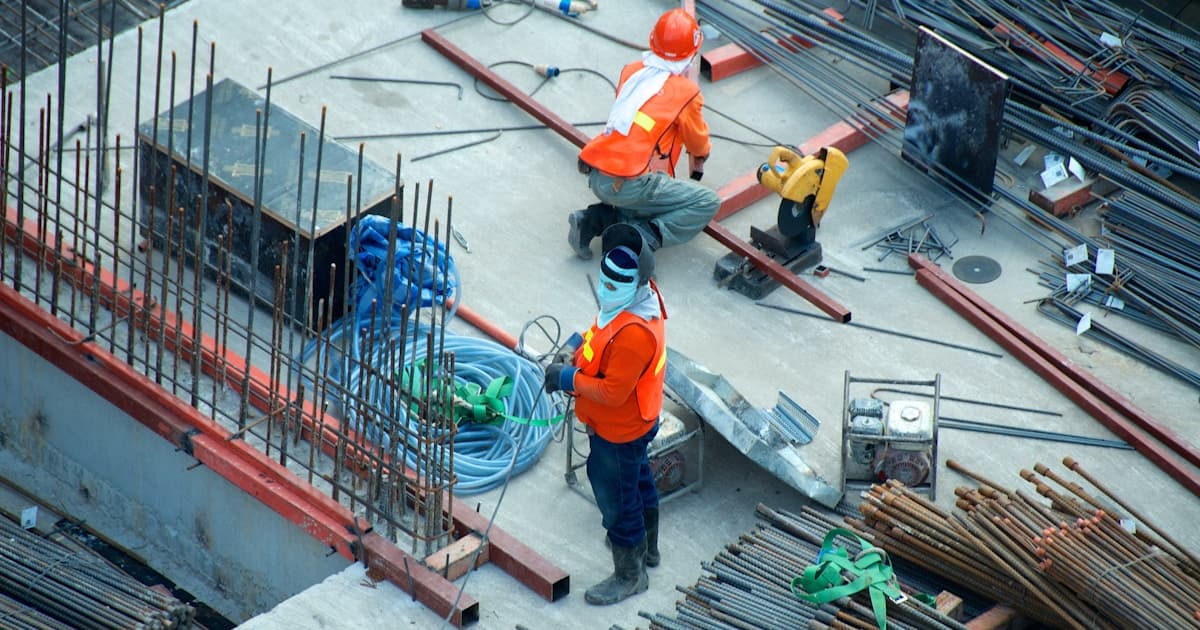
The number one reason multiplex projects fail is not zoning — it is cost estimation. Developers who underestimate soft costs, forget about DCCs, or ignore financing carry costs end up with a project that looked profitable on paper but lost money in reality. Here is the full cost breakdown for a Metro Vancouver multiplex project in 2025, based on real numbers from Fort's recent builds.
Hard Costs: The Build Itself
Hard costs are the physical construction: foundation, framing, plumbing, electrical, HVAC, finishing, and landscaping. In Metro Vancouver, wood-frame multiplex construction currently runs:
- Basic spec: $250–$275/sq ft — builder-grade finishes, standard appliances, basic landscaping
- Mid spec: $275–$310/sq ft — engineered hardwood, quartz counters, soft-close cabinets, quality fixtures
- High spec: $310–$350/sq ft — custom millwork, premium appliances, designer lighting, high-end landscaping
Fort builds at mid spec. The price-per-square-foot premium over basic is small ($25–$35/sq ft), but the sale price premium is significant ($50–$75/sq ft higher end value). Mid spec is where the margin lives.
Soft Costs: Everything Except the Build
Soft costs typically run 18–25% of hard costs. On a $1.2M construction budget, that is $216,000–$300,000. The major line items:
- Architecture and engineering: $60,000–$90,000 for a full set of construction drawings, structural engineering, mechanical/electrical design, and energy modelling
- Development Cost Charges (DCCs): $25,000–$45,000 per unit depending on municipality. Burnaby is on the higher end. These are non-negotiable fees paid to the city.
- Building permit fees: $15,000–$25,000 for a 4–6 unit multiplex
- Geotechnical report: $5,000–$8,000 — required for all new construction
- Survey: $3,000–$5,000 for a legal survey and building location certificate
- Legal fees: $15,000–$25,000 for strata subdivision, title work, and sales contracts
- Marketing and sales: $20,000–$40,000 for photography, staging, MLS listing, and marketing materials
Financing: The Hidden Cost
Construction loans in BC currently carry interest rates of 6.5–8.5% (prime + 2–4%) with lender fees of 1–2% of the loan amount. On a typical project with a 65% loan-to-cost ratio and an 18-month draw period, financing costs add $100,000–$175,000 to the total budget. This is money that does not build anything — it just pays for the time value of capital. Every month of delay in permitting or construction adds $8,000–$12,000 in carry costs.
Contingency: Plan for It or Pay for It
Every experienced developer budgets a contingency of 8–12% of hard costs. On a $1.2M build, that is $96,000–$144,000 set aside for surprises: contaminated soil (common on older residential lots), unexpected rock, weather delays, material price increases, or trade availability issues. If you do not need the contingency, it flows to profit. If you need it and did not budget it, the money comes from your margin.
Total All-In Cost Example
All-In Budget — 4-Unit Fort Langley Multiplex
At a sale price of $875/sq ft across 4,800 sq ft, gross revenue is $4,200,000 — leaving a gross margin of approximately $1,018,000 or 24%. That is a healthy margin, but notice how quickly it compresses if construction costs rise 10% or sale prices drop 5%. This is why accurate cost estimation is not optional — it is the difference between a profitable project and an expensive education.
Have Questions About This Topic?
Ask Dennis AI for deeper answers on zoning, feasibility, or the development process — or run your lot through the calculator.
More Insights
BC Bill 44: What It Means for Your Single-Family Lot
BC's new small-scale multi-unit housing legislation now allows 3-6 unit multiplexes on most single-family lots province-wide. Here's what that means for property owners in Metro Vancouver and the Fraser Valley.
Read article →
Multiplex ROI in Metro Vancouver: What Returns Can You Expect?
We break down a real-world pro forma for a 6-unit infill project in Burnaby — land cost, hard costs, soft costs, and the returns that make the deal pencil.
Read article →
Is Your Lot Eligible for a Multiplex? A BC Owner's Checklist
Not every single-family lot is a good multiplex candidate. Lot size, topography, boulevard trees, FSR limits, and zoning overlays all affect feasibility.
Read article →
Missing Middle Housing: Why BC Needs It Now
Between single-family homes and high-rise towers, there is a housing gap that has starved Metro Vancouver of attainable homes for decades. Multiplexes fill that gap — and the numbers prove it.
Read article →