
The Condo Market vs New Multiplexes: What Buyers Actually Want
Buyers in Metro Vancouver are shifting away from aging condo towers toward new ground-oriented multiplexes. Here is why, and what it means for developers and investors.
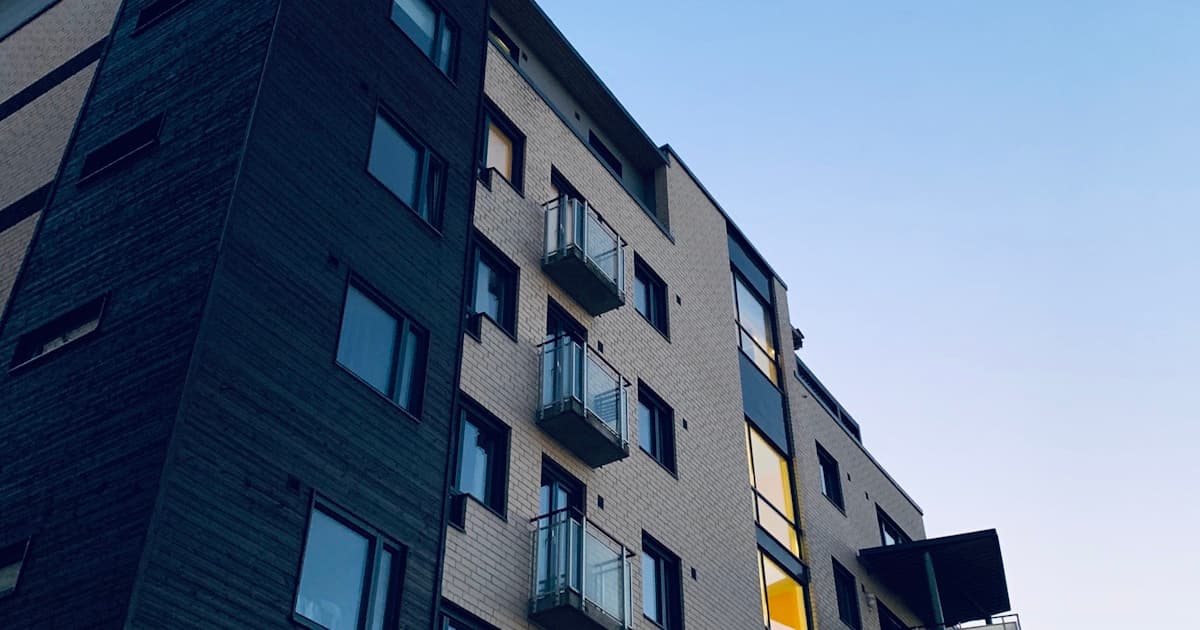
Something is shifting in Metro Vancouver's housing market. Resale condos in 20–30 year old towers are sitting on the market for 45–60+ days. Meanwhile, new multiplex units in Burnaby and Surrey are selling in under 30 days at asking price. The buyer has spoken — and they want ground-oriented, new construction housing.
Why Buyers Are Moving Away from Condos
The aging condo problem in Metro Vancouver is real. Buildings constructed in the 1990s and early 2000s are hitting the 25–30 year mark when major systems start failing: envelopes, elevators, plumbing risers, parkade membranes. Special assessments of $30,000–$80,000+ per unit are becoming common. Strata insurance costs have tripled since 2018 in many buildings. Monthly strata fees of $500–$700 are now standard for older buildings, and buyers know that number only goes up.
Meanwhile, the buyer demographic is evolving. Millennials — now in their late 30s and early 40s — are the largest buyer cohort in Metro Vancouver. They are starting families, working from home part-time, and looking for more space. A 650 sq ft one-bedroom condo with $500/month in strata fees does not meet their needs. A 1,200 sq ft three-bedroom multiplex unit with a private entrance, a small yard, and no strata fees does.
The Multiplex Value Proposition
New multiplex units offer several advantages that resale condos cannot match:
- No strata fees — or minimal fees for shared landscaping maintenance. A buyer saves $6,000–$8,000/year compared to a typical older condo.
- Ground-oriented living — private entrance, often a small yard or patio, no shared hallways or elevators.
- New construction warranty — 2-5-10 warranty coverage means no surprise assessments for a decade.
- Modern building code — energy efficiency, sound separation, and seismic standards that 1990s condos were not built to.
- Family-sized layouts — 3 bedrooms and 1,100–1,400 sq ft, compared to the 1–2 bedroom focus of most condo towers.
The Numbers: Price Per Square Foot
In Burnaby, a 20-year-old 2-bedroom condo (900 sq ft) trades at roughly $650–$750/sq ft. A new multiplex unit (1,200 sq ft) trades at $800–$950/sq ft. On a per-square-foot basis, the multiplex is more expensive — but on a monthly carrying cost basis, the multiplex is cheaper because there are no strata fees. A buyer comparing a $675,000 condo with $550/month strata fees to a $960,000 multiplex unit with no strata is actually paying roughly the same monthly at current mortgage rates. But the multiplex buyer has 300 more square feet, a yard, and a new home.
What This Means for Developers
The demand side of the multiplex equation is strong and growing. Builders who deliver well-designed, mid-spec multiplex units in transit-accessible neighbourhoods are finding ready buyers. The constraint is not demand — it is supply. There are not enough multiplex units on the market to meet the demand from family buyers who have outgrown condos but cannot afford detached homes.
For developers, this means: build to the family buyer. Three bedrooms, open-concept kitchens, in-unit laundry, and some outdoor space. Keep the finishes mid-spec — quartz counters and engineered hardwood, not marble and custom millwork. Price at a slight premium to resale condos but a significant discount to detached homes. That is the sweet spot where deals close fast.
The Resale Condo Warning
If you own a condo in a building approaching its 25-year mark, pay attention. The convergence of special assessments, rising strata fees, and buyer preference for new ground-oriented housing is creating downward pressure on older condo values. This is not a prediction — it is already happening in Burnaby, New Westminster, and parts of Surrey. The buildings that will hold value are newer (under 15 years), well-maintained, and in prime locations. Everything else faces headwinds.
Have Questions About This Topic?
Ask Dennis AI for deeper answers on zoning, feasibility, or the development process — or run your lot through the calculator.
More Insights

BC Bill 44: What It Means for Your Single-Family Lot
BC's new small-scale multi-unit housing legislation now allows 3-6 unit multiplexes on most single-family lots province-wide. Here's what that means for property owners in Metro Vancouver and the Fraser Valley.
Read article →
Multiplex ROI in Metro Vancouver: What Returns Can You Expect?
We break down a real-world pro forma for a 6-unit infill project in Burnaby — land cost, hard costs, soft costs, and the returns that make the deal pencil.
Read article →
Is Your Lot Eligible for a Multiplex? A BC Owner's Checklist
Not every single-family lot is a good multiplex candidate. Lot size, topography, boulevard trees, FSR limits, and zoning overlays all affect feasibility.
Read article →
Missing Middle Housing: Why BC Needs It Now
Between single-family homes and high-rise towers, there is a housing gap that has starved Metro Vancouver of attainable homes for decades. Multiplexes fill that gap — and the numbers prove it.
Read article →